SEDATION DENTISTRY
Advanced Dentistry for People Who Hate Going to the Dentist.
Relax Through Your Dental Treatment
Dental Fear Is Real
Some patients feel mild nervousness. Others feel sick at the thought of an appointment or have avoided dentistry for years. Dental anxiety can come from painful experiences, needles, gag reflex, embarrassment or fear of bad news. You do not need to justify it.
Sedation Can Change the Experience
For appropriate patients, sedation may reduce anxiety, create relaxation and make longer procedures easier to tolerate. Different methods have different effects and recovery requirements.
Experience Matters
Dr. Burke has more than 25 years of sedation experience and more than 2,500 completed sedation cases.
We Have Heard It Before
“I am probably the worst patient you have ever seen.” Fear does not make you a bad patient. The condition of your teeth is not something you need to apologize for. We are interested in what happens next.
Options
IV sedation, oral sedation and nitrous oxide if confirmed. We will recommend an approach based on your medical history, anxiety and procedure.
WHY CHOOSE SEDATION ?
DEEP RELAXATION
TIME SAVING EFFICIENCY
CUSTOMIZED AND SAFE
PAIN FREE EXPERIENCE
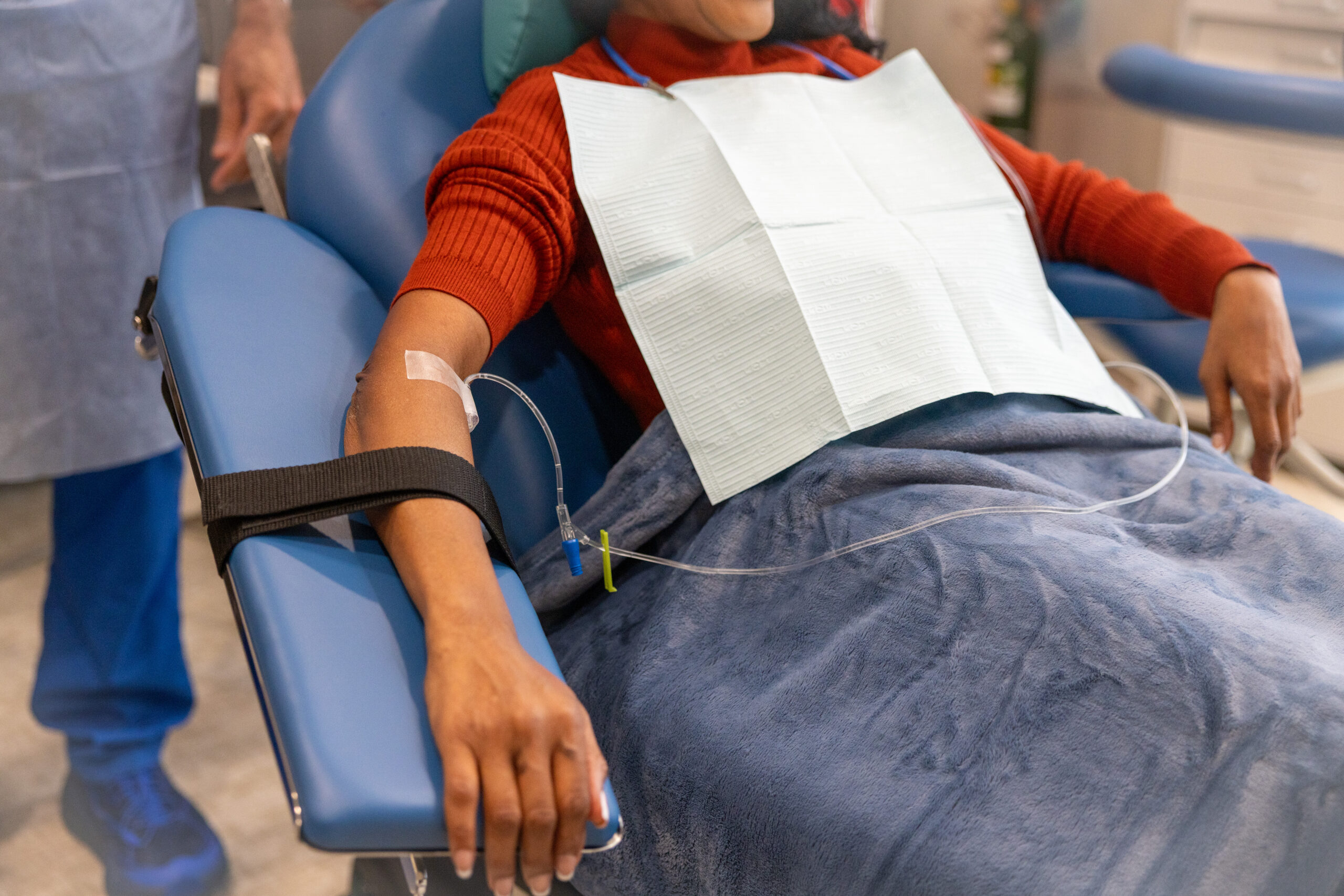
IV Sedation
Relax Through Your Dental Treatment.
IV Sedation dentistry allows you to receive the dental care you need completely free of anxiety, discomfort, and stress. As a New York State Certified IV Sedation dentist, I specialize in providing a deeply relaxing experience where you can comfortably snooze through your appointment and wake up with a healthier, brighter smile.
What It Is
IV sedation administers medication intravenously to provide a deeper level of relaxation for appropriate patients. Patients may remain responsive while feeling deeply relaxed and may remember little about portions of treatment.
When It May Help
It may be considered for significant anxiety, implant procedures, oral surgery, full-arch treatment and longer appointments.
Is It General Anesthesia?
No. IV conscious sedation is different from general anesthesia. Dr. Burke will explain the intended level and what to expect.
Planning and Monitoring
Your medical history, medications and other factors will be reviewed. Appropriate monitoring is used during treatment.
Afterward
You will need to follow specific food, medication, escort and transportation instructions. You may not drive yourself home.
ORAL SEDATION
A Different Way to Approach Dental Anxiety.
What It Is
Prescription oral medication may reduce anxiety for appropriate patients. It is taken according to specific instructions, and patients may feel drowsy or deeply relaxed.
Who May Benefit
Patients with anxiety, difficult past experiences or trouble tolerating longer appointments may wish to ask about it.
Oral or IV?
The best option depends on the procedure, medical history, medications and desired level of sedation. Neither method is automatically right for everyone.
Transportation
Oral sedation requires a responsible adult to accompany you and drive you home.
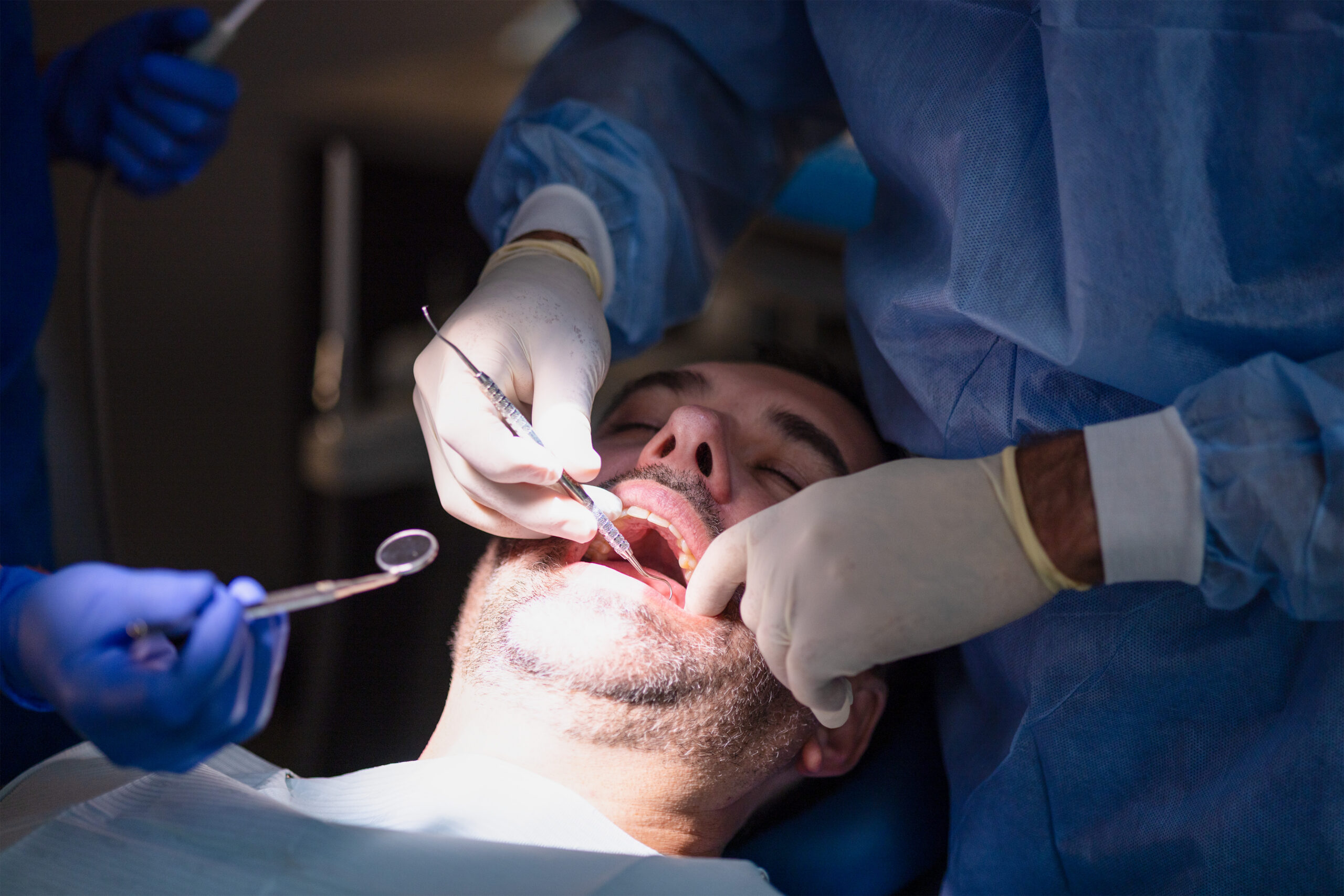
NITROUS OXIDE
A Little Help Relaxing Can Make a Big Difference.
What It Is
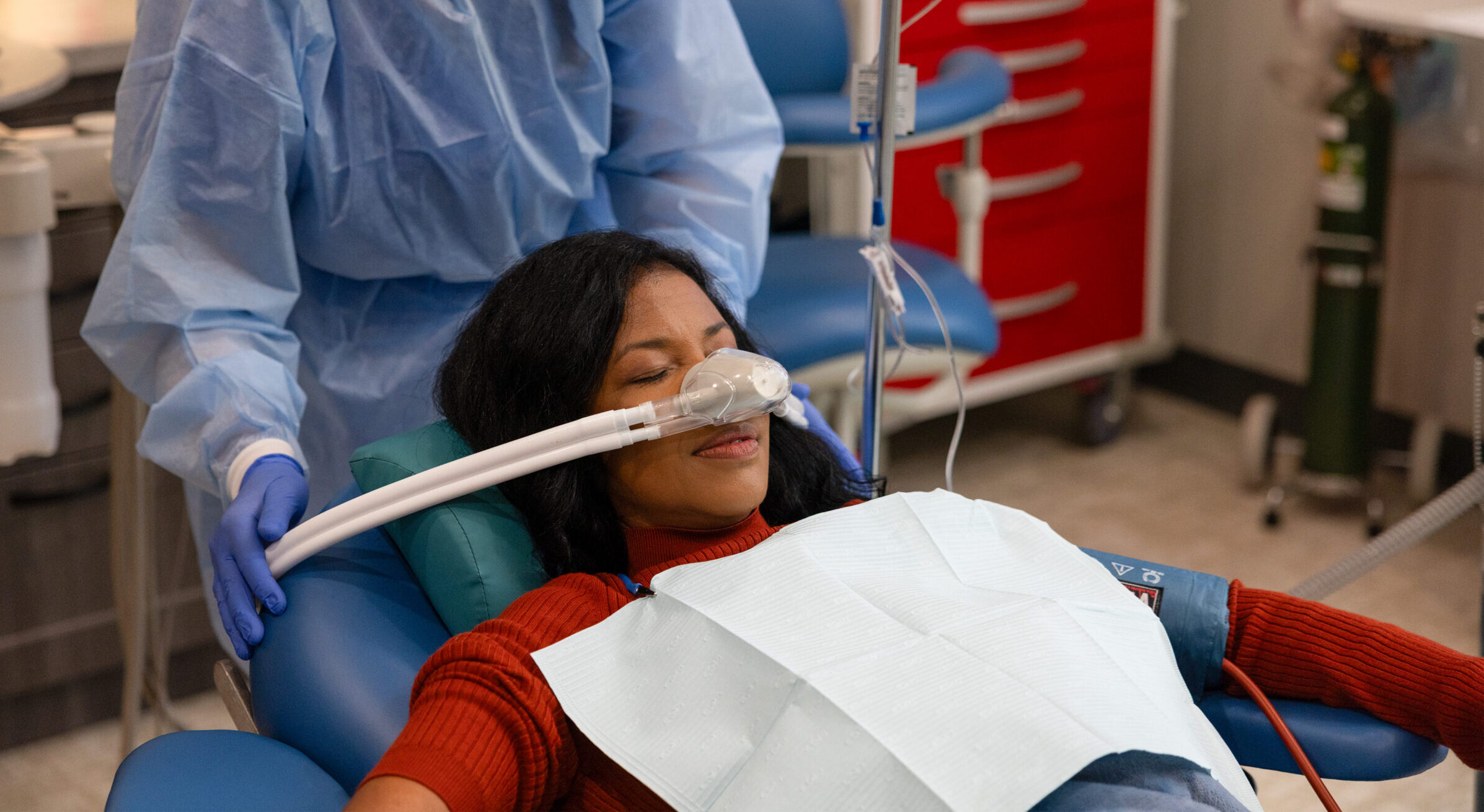
Nitrous oxide, commonly called laughing gas, is an inhaled sedative used to help appropriate patients relax during dental treatment.
What to Expect
It is administered through a mask over the nose. Patients generally remain awake, responsive and able to communicate. Effects typically begin and wear off relatively quickly.
Who May Benefit
Patients with mild to moderate anxiety or difficulty relaxing may wish to discuss nitrous oxide.
Is It Right for Everyone?
No. Medical history and other factors may affect suitability. If a different approach is appropriate, we will discuss it.